9 Verified n8ked Alternatives: Safer, Clean, Privacy‑First Picks for 2026
These 9 options permit you to develop AI-powered imagery and completely synthetic “artificial girls” without using non-consensual “AI undress” plus Deepnude-style tools. Each selection is clean, privacy-centric, and both on-device and built on clear policies fit for 2026.
Users discover “n8ked” or comparable clothing removal apps searching for quickness and realism, but the tradeoff is exposure: non-consensual deepfakes, dubious data collection, and untagged outputs that circulate harm. The tools below prioritize authorization, local generation, and traceability so you may work creatively without violating legitimate or moral boundaries.
How have we validate secure alternatives?
We focused on on-device creation, without ads, explicit bans on unauthorized content, and transparent data storage controls. Where remote models exist, they sit behind established policies, monitoring trails, and content credentials.
Our review focused on five criteria: whether the application runs locally with zero telemetry, whether it’s ad-free, whether the app blocks or discourages “clothing removal tool” behavior, whether it supports content provenance or marking, and whether the TOS prohibits non-consensual nude or manipulation use. The outcome is a shortlist of usable, creator-grade options that avoid the “web-based nude generator” model entirely.
Which tools count as ad‑free plus privacy‑first in the current year?
Local community-driven collections and pro desktop software prevail, because they minimize personal exposure and tracking. Users will see Stable SD UIs, 3D character generators, and pro tools that keep private media on your machine.
We eliminated undress applications, “girlfriend” deepfake generators, or services that convert clothed photos into “lifelike nude” outputs. Ethical creative workflows focus on synthetic models, authorized datasets, and documented releases when actual people are included.
The 9 privacy-focused solutions that really function in 2026
Use these when you want control, professional results, and security without touching an undress app. Each pick is functional, extensively used, and does not rely on misleading “AI https://undressbabyapp.com undress” assertions.
Automatic1111 Stable Diffusion Diffusion Web Interface (Local)
A1111 is a highly widely used local UI for SD models, giving you precise oversight while maintaining everything on your computer. It’s clean, extensible, and provides professional quality with guardrails you establish.
The Web User Interface runs on-device after setup, preventing cloud uploads and reducing security exposure. You may generate entirely synthetic characters, modify original shots, or create concept art without using any “outfit removal tool” features. Plugins offer control systems, editing, and upscaling, and you determine which systems to use, how to watermark, and what to restrict. Responsible creators stick to artificial characters or content created with written consent.
ComfyUI (Visual Node Local Pipeline)
ComfyUI is a graphical, visual node pipeline designer for Stable Diffusion models that’s excellent for advanced users who need reproducibility and privacy. It’s ad-free and operates locally.
You design end-to-end pipelines for text-to-image, image-to-image, and advanced conditioning, then save presets for reliable results. Because the tool is local, sensitive inputs will not leave your drive, which matters if you work with willing models under confidentiality agreements. ComfyUI’s node view helps audit exactly what the generator is executing, supporting responsible, traceable workflows with optional visible tags on output.
DiffusionBee (macOS, On-Device Stable Diffusion XL)
DiffusionBee offers one-click Stable Diffusion XL generation on Mac featuring no sign-up and no advertisements. It is privacy-friendly by design, because it functions entirely on-device.
For users who won’t want to babysit installs or config configurations, this tool is a straightforward entry point. It’s powerful for synthetic portraits, concept artwork, and artistic explorations that bypass any “AI clothing removal” functionality. You may keep libraries and prompts offline, apply your own safety controls, and export with metadata so collaborators understand an image is machine-generated.
InvokeAI (Local SD Suite)
InvokeAI is a comprehensive professional local SD toolkit with a streamlined UI, powerful modification, and robust system management. It is ad-free and built to professional processes.
The system emphasizes ease of use and protections, which renders it a strong pick for studios that want repeatable, moral outputs. You can create artificial models for mature creators who require explicit releases and traceability, keeping base files local. InvokeAI’s workflow tools contribute themselves to recorded consent and output labeling, essential in this year’s tightened legal climate.
Krita (Pro Computer Painting, Open‑Source)
Krita is not meant to be an automated explicit generator; it’s a professional drawing app that remains completely on-device and ad-free. It complements diffusion systems for ethical post-processing and blending.
Use the app to edit, draw on top of, or merge synthetic renders while storing assets confidential. Its drawing engines, color management, and composition features help users enhance structure and shading by hand, sidestepping the quick-and-dirty undress application mentality. When living persons are included, you can include releases and license information in file properties and output with obvious attributions.
Blender + MakeHuman (3D Human Creation, Offline)
Blender with the MakeHuman suite enables you create digital human bodies on local workstation with zero advertisements or cloud submissions. It’s a consent-safe path to “artificial characters” since individuals are entirely generated.
You are able to sculpt, pose, and produce photoreal models and not touch anyone’s real picture or representation. Texturing and lighting pipelines in the software produce superior fidelity while protecting privacy. For explicit creators, this stack supports a fully virtual workflow with clear model control and zero risk of non-consensual deepfake contamination.
DAZ Studio (Three-Dimensional Avatars, Complimentary to Start)
DAZ Studio is a comprehensive mature ecosystem for building photoreal human characters and scenes locally. It is free to start, ad-free, and content-driven.
Creators employ DAZ to assemble pose-accurate, fully artificial scenes that do will not require any “AI clothing removal” processing of real persons. Asset licenses are clear, and rendering occurs on your device. It is a practical option for those who want authenticity without lawful exposure, and it pairs well with Krita or image editing software for finish work.
Reallusion Character Builder + iClone (Pro 3D Modeling Humans)
Reallusion’s Char Creator with iClone is a enterprise-level suite for photoreal digital humans, animation, and face capture. It’s local software with professional workflows.
Studios adopt this when organizations need lifelike results, revision control, and clear IP ownership. You may build willing digital copies from scratch or from licensed scans, preserve provenance, and produce final images offline. It’s not a outfit removal application; it’s a system for building and posing characters you completely control.

Adobe Photoshop with Firefly (Generative Editing + C2PA)
Photoshop’s AI Fill via Firefly delivers approved, auditable AI to the well-known application, with Content Credentials (C2PA standard) compatibility. It’s commercial tools with robust guidelines and traceability.
While Firefly prevents explicit inappropriate prompts, the tool is invaluable for ethical modification, compositing generated models, and exporting with securely verifiable content credentials. If people collaborate, these credentials assist downstream platforms and partners identify AI-edited work, discouraging misuse and keeping the pipeline legal.
Head-to-head evaluation
Each option below focuses on on-device oversight or developed guidelines. Not one are “clothing removal tools,” and not one support non-consensual fake behavior.
| Tool | Classification | Runs Local | Advertisements | Privacy Handling | Best For |
|---|---|---|---|---|---|
| Auto1111 SD Web UI | On-Device AI creator | Affirmative | No | Local files, custom models | Generated portraits, modification |
| Comfy UI | Node-based AI workflow | True | Zero | Offline, consistent graphs | Pro workflows, auditability |
| DiffusionBee | Mac AI app | Affirmative | None | Entirely on-device | Simple SDXL, no setup |
| InvokeAI Suite | On-Device diffusion suite | Affirmative | No | Local models, projects | Professional use, consistency |
| Krita Software | Computer painting | Affirmative | Zero | Local editing | Finishing, compositing |
| Blender + MakeHuman | 3D Modeling human generation | Yes | None | Local assets, results | Fully synthetic characters |
| DAZ Studio Studio | Three-dimensional avatars | True | No | Local scenes, approved assets | Lifelike posing/rendering |
| Reallusion CC + i-Clone | Pro 3D characters/animation | Yes | None | On-device pipeline, enterprise options | Lifelike, movement |
| Adobe PS + Firefly | Editor with AI | Affirmative (offline app) | No | Output Credentials (C2PA standard) | Moral edits, origin tracking |
Is artificial ‘clothing removal’ content lawful if each people authorize?
Consent is the baseline, not the ceiling: users still need age validation, a written individual release, and must respect likeness/publicity rights. Various jurisdictions additionally regulate explicit content distribution, record‑keeping, and platform rules.
If any subject is a underage person or cannot authorize, the content is illegal. Additionally for consenting adults, platforms consistently ban “AI nude generation” uploads and non-consensual fake lookalikes. The safe path in 2026 is synthetic avatars or clearly authorized shoots, labeled with content verification so downstream services can verify provenance.
Little‑known but authenticated facts
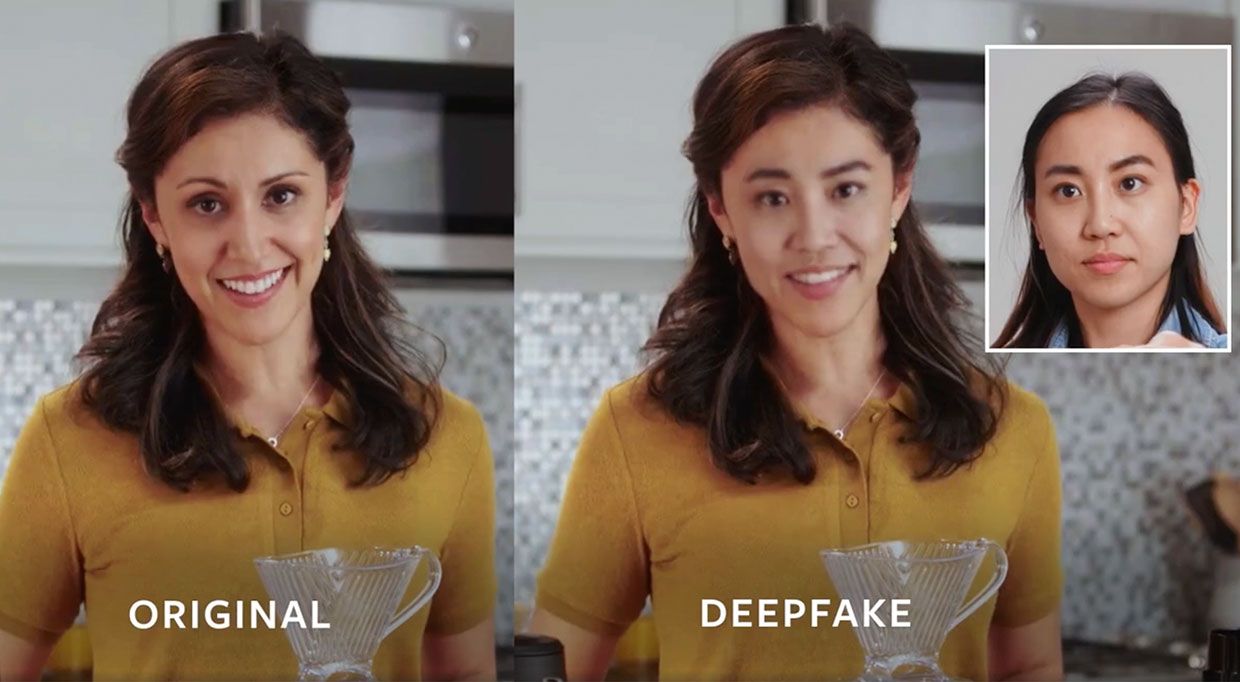
First, the original Deep Nude app was pulled in 2019, yet derivatives and “undress app” clones continue via forks and Telegram automated systems, often collecting uploads. Second, the C2PA standard for Content Credentials gained broad support in 2025–2026 across Adobe, technology companies, and major newswires, enabling digital provenance for AI-edited content. Third, on-device creation sharply reduces the attack surface for image exfiltration compared to browser-based tools that log inputs and uploads. Fourth, most major social platforms now explicitly forbid non-consensual explicit deepfakes and respond more rapidly when reports include hashes, timestamps, and provenance information.
How are able to you safeguard yourself against non‑consensual deepfakes?
Reduce high-quality public facial images, add obvious watermarks, and enable reverse‑image alerts for your name and likeness. If you find abuse, record URLs and time data, file takedowns with proof, and maintain proof for officials.
Ask image creators to distribute with Media Credentials so false content are simpler to detect by contrast. Use privacy settings that stop scraping, and refrain from sending every intimate materials to unverified “explicit AI tools” or “internet nude generator” websites. If one is a producer, establish a permission ledger and store copies of IDs, releases, and confirmations that people are mature.
Final takeaways for 2026
If you are tempted by a “artificial undress” tool that offers a lifelike nude from a clothed image, walk away. The most protected path is synthetic, completely licensed, or fully consented processes that operate on your hardware and leave a traceability trail.
The nine alternatives above offer quality while avoiding the surveillance, ads, or ethical problems. People keep oversight of inputs, users avoid injuring real people, and they get lasting, professional workflows that won’t break down when the next undress app gets banned.
